

The idea of brand loyalty has always been a cornerstone of real estate. Families in the past would choose a developer and stick with them generation after generation, largely based on reputation, trust, and word of mouth. But nowadays, in this digitally driven world, that idea is being rewritten. Buyers, especially Millennials and Gen Z, perceive loyalty in a totally different way than their predecessors.
So, the question becomes: are homebuyers today brand loyal to real estate brands anymore? And if they are, what does brand loyalty look like in 2025 and the future?
The Generational Lens: How Buyer Priorities Have Changed
Before we explore the question of loyalty, let’s take a look at how different generations approach buying a home.
Boomers & Gen X: Legacy, Security, and Familiarity
For Baby Boomers and early Gen X homebuyers, homeownership was often a once-in-a-lifetime experience. Houses were purchased to leave a legacy, create family security, and create roots. Developers with a proven reputation automatically gained loyalty, because trust and credibility mattered above all.
Their needs were straightforward:
- Strong builder reputation in the market
- Project delivery reliability
- Long-term stability of the property
- Familiarity and recommendations from peers or family
For such customers, once trust was gained, it tended to hold good for several decades. A single positive experience meant the entire family could remain loyal to that developer.
Millennials & Gen Z: Lifestyle, Flexibility, and Experiences
Fast forward to Millennials and Gen Z, and the story is very different. For them, real estate is about lifestyle. While affordability and investment returns still matter, the experience of living in a home now carries equal weight.
Some of their distinct expectations include:
- Smart living: Tech-enabled homes, automation, and energy-efficient features
- Community vibe: Fitness zones, co-working areas, green spaces, and lifestyle amenities
- Transparency: Clear communication about costs, timelines, and project updates
- Sustainability: Eco-friendly design, water conservation, and reduced carbon footprint
- Digital-first approach: Virtual tours, easy online documentation, and responsive digital touchpoints
Unlike earlier generations, today’s buyers are not afraid to switch brands if these expectations aren’t met. Loyalty exists, but it’s no longer unconditional; it’s earned continually.
Redefining Loyalty: From Legacy to Agility
So, what does loyalty mean today? It’s not about sticking with one brand out of habit. Instead, it’s about how consistently a developer can meet evolving buyer needs.
- Performance Over Promise
Earlier, reputation alone could win loyalty. Today, consistency in performance is what matters. Buyers expect developers to deliver on what they promise: timely handovers, quality finishes, and no hidden costs. A single misstep can undo years of goodwill.
- Emotional Engagement Matters
A Deloitte survey showed that 60% of Millennials stay loyal to brands that engage them emotionally. In real estate, this translates into developers who build communities, not just projects. Events, post-handover support, and engagement programs all help create bonds that go beyond the transaction.
- Digital Presence as a Loyalty Marker
From online reviews to social media conversations, the modern buyer checks everything. Even a well-known builder isn’t immune to online sentiment. Developers who maintain transparent, engaging, and responsive digital communication stand out as trustworthy.
- Values Drive Decisions
According to a Nielsen study, 92% of consumers trust recommendations from family and friends more than advertising. Today, these recommendations aren’t just about construction quality, they’re about shared values. Buyers look at sustainability, inclusivity, and whether the developer’s ethos matches their own.
- Conditional Loyalty
Perhaps the biggest change is that loyalty is now conditional. Younger buyers may stay with a developer for one or two projects but are quicker to shift if they feel overcharged, undervalued, or underserved. Loyalty, therefore, is now dynamic.
Why Loyalty Still Matters in Real Estate
Even in this fluid environment, loyalty is not irrelevant. In fact, it remains one of the strongest growth drivers, only its definition has changed.
- Repeat buyers: Buyers often look at upgrading or buying a second property. A positive past experience is a direct ticket to repeat business.
- Referrals: A satisfied buyer is the best marketing channel. Referrals from friends or family still hold immense weight in India, especially in big-ticket decisions like real estate.
- Resilience in downturns: During slow market cycles, loyal customers give stability to developers who’ve earned their trust.
McKinsey research shows that companies with strong loyalty programs outperform competitors by 20% in profitability: a lesson that applies to real estate as much as to retail.
How Developers Can Build Loyalty in the Modern Era
Given the shift, real estate companies need to approach loyalty differently. Here are some actionable steps:
- Be Transparent: Clear pricing, no hidden clauses, and regular construction updates go a long way in creating trust.
- Stay Connected After Sales: Don’t disappear once the keys are handed over. Organise events, offer service support, and keep buyers engaged.
- Invest in Technology: Mobile apps, virtual tours, and instant query resolution make the buyer’s journey seamless.
- Build Communities, Not Just Homes: Create spaces where residents can interact, network, and thrive together. This emotional connection makes them natural brand advocates.
- Listen and Act: Feedback loops are critical. Buyers want to feel heard and respected.
At Rustomjee, this idea goes far beyond words. The brand continually curates experiences that help residents bond and celebrate together.
For example, at 180 Bayview in Matunga, recent community workshops like Modak Making brought families and neighbours together during the festive season, offering a delightful blend of tradition, laughter, and shared memories.
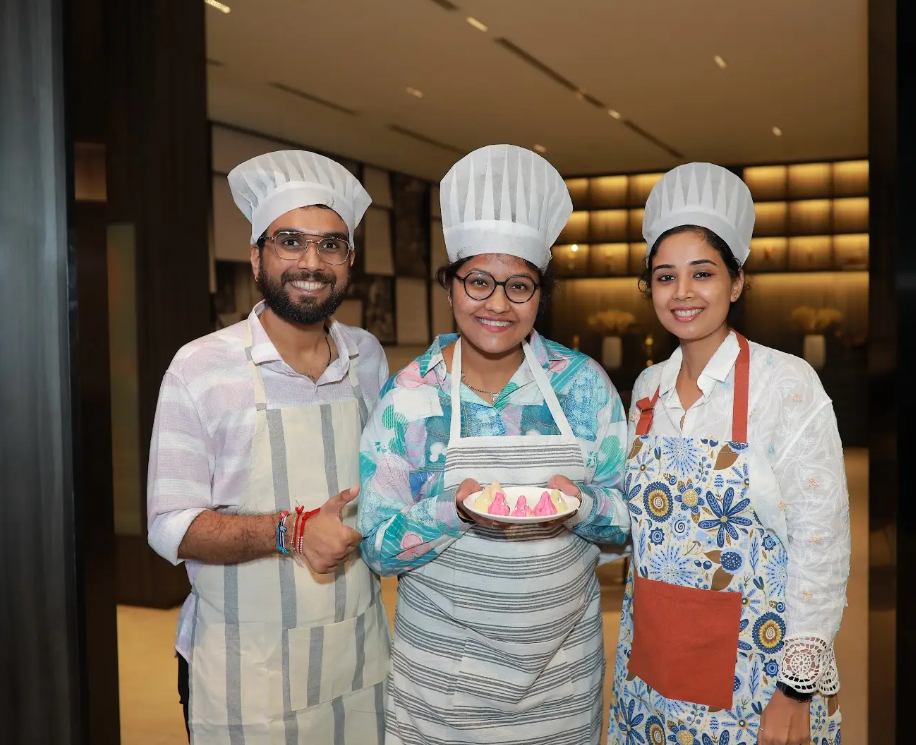

Residents enjoying Modak-making workshop at 180 Bayview Matunga
Similarly, the Perfume Making session at Rustomjee 180 Bayview Matunga allowed residents to explore their creative side while connecting with fellow homeowners through a sensory, hands-on experience.
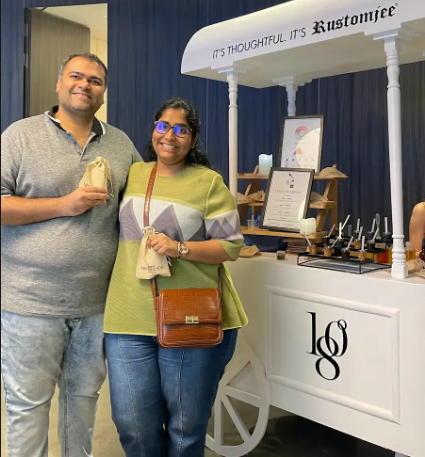
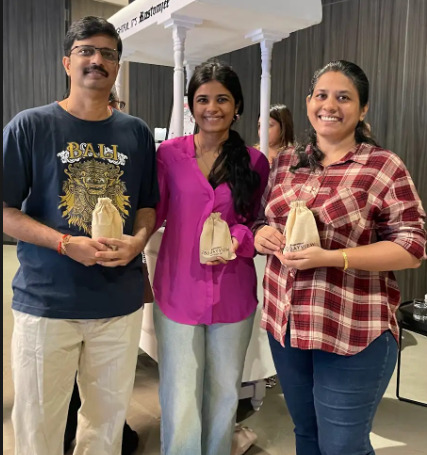
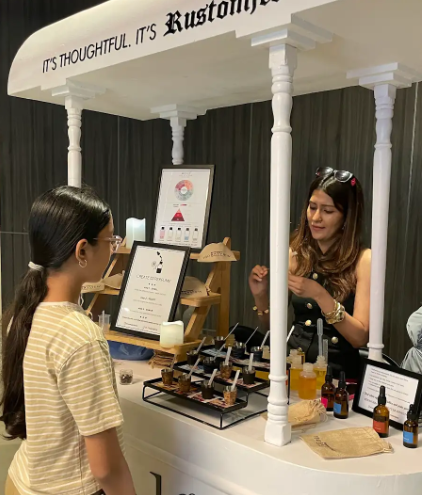
Residents & families learning perfume-making and creating their own perfumes
Meanwhile, at Rustomjee Urbanwoods, Dombivli, the Monsoon Drawing Competition turned a rainy weekend into a colourful celebration of imagination. Residents of all ages, be it toddlers to teenagers, participated, filling the community with art, energy, and a shared sense of belonging.
Such initiatives build a sense of belonging. They show how emotional engagement and thoughtful experiences can transform a residential space into a loyal community.
The Loyalty Shift: A Balanced Perspective
To answer the original question: yes, today’s buyers can be loyal, but their loyalty looks different. It’s no longer about blind allegiance to a familiar brand name. Instead, it’s a more thoughtful, experience-driven, and conditional loyalty that must be earned at every stage of the buyer journey.
Developers who understand this shift, who combine digital agility with emotional engagement, will be the ones to sustain loyalty even in a market where choices are abundant.
We at Rustomjee are focusing on not just building homes but creating communities, curating events, and ensuring long-term client satisfaction. Such efforts reflect the new-age definition of loyalty, where relationships, trust, and experiences matter just as much as the four walls of a property.