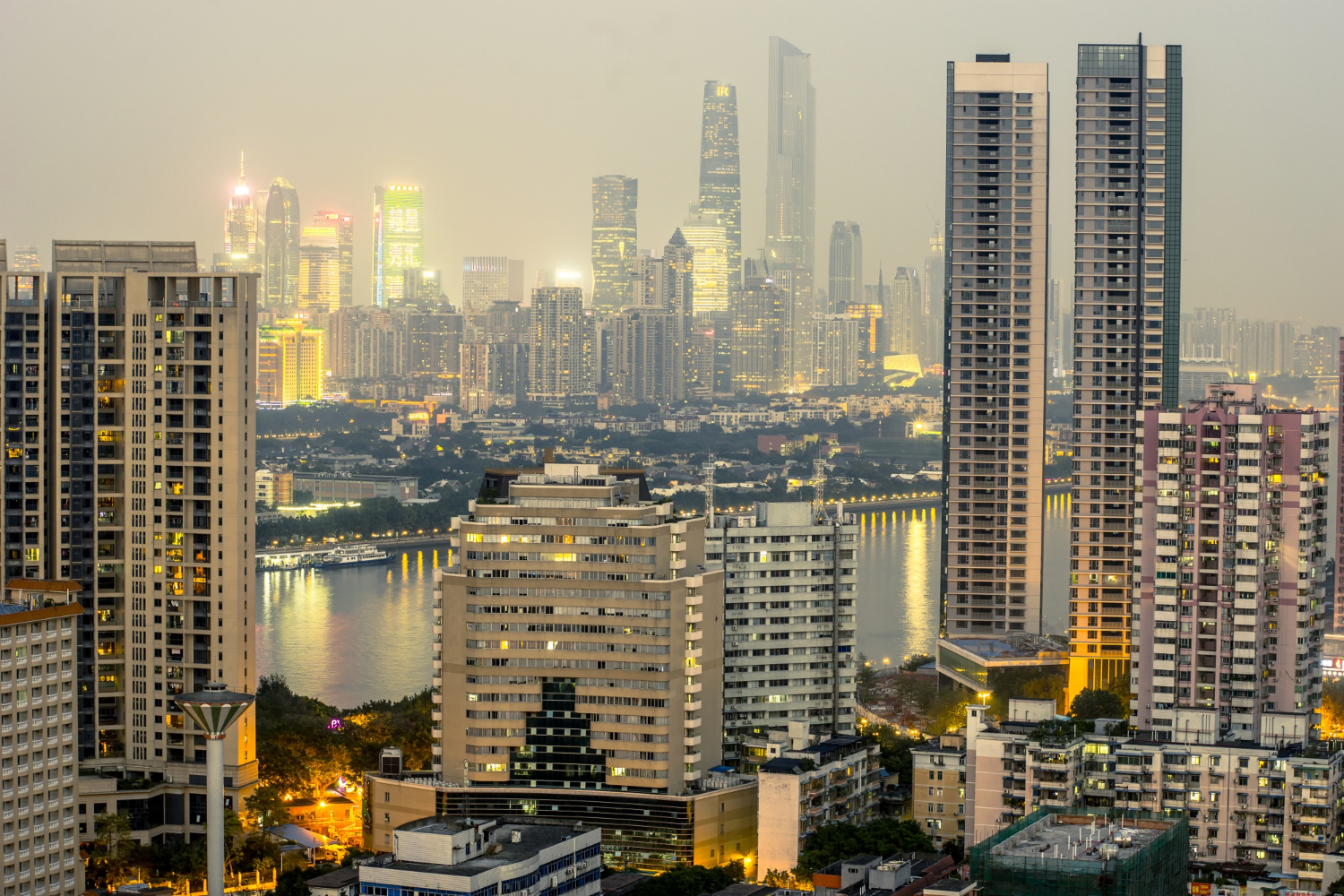

Mumbai has always had a complicated relationship with space because the city keeps growing, but the land does not. Families expand, expectations shift, and older buildings struggle to support modern living needs, which is where redevelopment quietly steps in as a practical and long-term solution.
Instead of pushing the city outward, redevelopment allows neighbourhoods to renew themselves while staying rooted in familiar locations, daily routines, and strong community ties. For homeowners, renters, and developers alike, redevelopment is shaping how Mumbai will live next.
Developers such as Rustomjee are actively contributing to this change by transforming legacy structures into well-planned residential spaces that respond to present-day expectations without disrupting the social fabric of the city.
Land Scarcity: Not a Theory in Mumbai
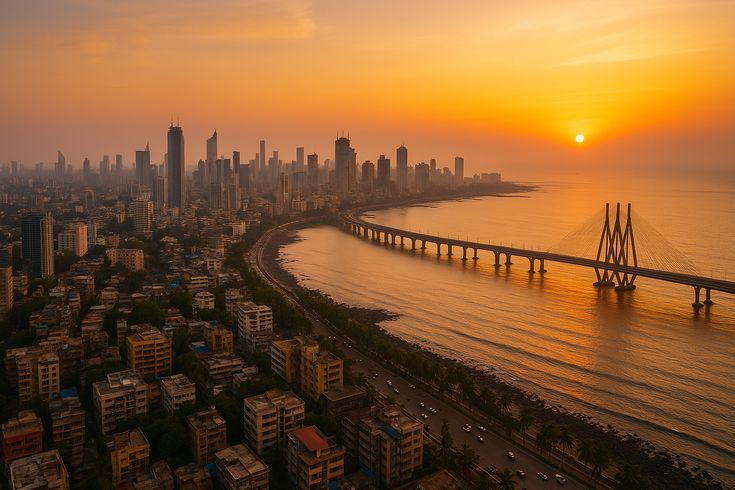

Mumbai’s buildable land is limited, and large parts of the region are shaped by coastal regulation, infrastructure corridors, and protected natural zones, which means the city cannot endlessly stretch outward without high costs to commuting and public services. That is why redevelopment, which reuses an existing plot and upgrades what sits on it, becomes a direct solution to land scarcity while keeping homes close to job clusters like Bandra Kurla Complex, SEEPZ in Andheri East, and Lower Parel’s office belt near Peninsula Corporate Park.
Redevelopment also fits the policy direction that Maharashtra has been signaling, because the Maharashtra State Housing Policy, 2025, explicitly encourages redevelopment of old buildings to improve living conditions and optimize land use, which is essentially a clear statement that renewal inside the city footprint is a core housing strategy.
What Redevelopment Changes Inside a Home and Inside a Building
A lot of older societies were built for a different version of city living, so residents often deal with weak plumbing, outdated wiring, limited fire safety systems, and inefficient circulation areas. Redevelopment resets these basics with modern structural standards, building services, and layouts that feel less cramped in everyday use and reduce the recurring stress of patchwork repairs that keep getting postponed.
Here’s what that upgrade usually looks like:
- Fire and evacuation planning: New developments generally incorporate fire safety facilities that are often lacking in older buildings, and this is significant in high-density developments where access lanes are not very wide.
- Construction services and comfort: Water and drainage, electricity load planning, and lift systems are restructured as a single system to enhance everyday predictability and eliminate unexpected failures.
- Parking: Stilt or podium parking is more convenient in redeveloped buildings, which is important in areas where street parking has become a daily bargaining process.
The Policy Engine Behind Redevelopment, and Why FSI Rules Matter
Redevelopment works at scale when regulations support it, and in Mumbai, one of the most important levers is how additional Floor Space Index is structured across different redevelopment categories. The Development Control and Promotion Regulations for Greater Mumbai, 2034 lay down multiple redevelopment provisions across Regulation 33 and other sections, and these rules shape whether a project is feasible, how rehabilitation is planned, and how incentives are calculated.
For residential housing societies specifically, the government has also issued guidance related to incentive FSI under Regulation 33(7)(B) of DCPR 2034 (Development Control & Promotion Regulations 2034), which clarifies how incentive components are applied in eligible society redevelopment cases. These regulations matter because they decide whether redevelopment can fund itself while giving existing residents fair rehabilitation and producing a viable number of sale units to cover construction and finance.
Why Redevelopment Keeps Communities Anchored in the Same Neighbourhood
Mumbai living is deeply location-based, and that is not only about commute time but also about schools, hospitals, and routine places that shape family life over many years. When a society redevelops, and residents return to the same plot, the daily ecosystem remains intact, so school runs to Bombay Scottish School in Mahim or hospital access to Lilavati Hospital in Bandra remains familiar.
Even lifestyle routines stay steady, whether that means a Sunday walk near Carter Road, a quick stop at Candies in Bandra, coffee at Prithvi Cafe in Juhu, or a workday commute that depends on the Jogeshwari Vikhroli Link Road. Redevelopment protects these links because it upgrades housing without forcing families to rebuild their life map.
Is Redevelopment Really the Best Solution for Mumbai’s Housing Needs?
Redevelopment is driven by logistics, safety, and access. Improving housing in existing locations keeps residents close to transport, jobs, schools, and healthcare.
Solely expanding outward would push households farther from employment hubs such as Mindspace Malad, Nirlon Knowledge Park in Goregaon, and Hiranandani Business Park in Powai, worsening peak-hour pressure on the transport network. It also addresses serious risks in ageing housing stock, especially cessed buildings.
Measures like Maharashtra Housing and Area Development Authority (MHADA’s) INR 20,000 monthly rent assistance for residents vacating unsafe structures underline that redevelopment is often a necessity rather than a preference.
What Residents Should Demand in a Redevelopment Proposal
A good redevelopment proposal is clear, measurable, and protective of residents who are taking the biggest life disruption during the construction period. Here are the points that deserve direct answers, ideally in writing:
- Carpet area clarity:The offer should specify carpet area, balcony terms if applicable, and any conditions tied to layout changes.
- Rent and transit support:Rent compensation amount, payment dates, and escalation triggers should be documented so families are not left negotiating month to month.
- Timeline realism:The schedule should include buffers for approvals and construction, and it should also specify what happens if milestones slip.
- Quality and warranty:Materials, systems, and defect liability coverage should be clearly stated, because maintenance costs after handover hit residents directly.
- Compliance transparency:RERA registration, statutory approvals, and clear communication protocols should be treated as non-negotiable, because transparency reduces disputes.
Final Take
Redevelopment is picking up speed because it solves multiple city-level problems at once, including upgrading unsafe structures, improving housing supply within existing neighbourhoods, and using land efficiently in a city where new large parcels are limited.
For residents, the shift feels personal because it is about returning to the same address with a safer home, smoother building services, and a more predictable maintenance future, while remaining connected to the routines and relationships that define life in Mumbai. This evolution can already be seen in Rustomjee’s new residential development emerging along the city’s eastern waterfront in Parel Extension, where improved infrastructure and emerging connectivity are reshaping older neighbourhoods into desirable addresses for modern urban living.